

Be aware of breast cancer
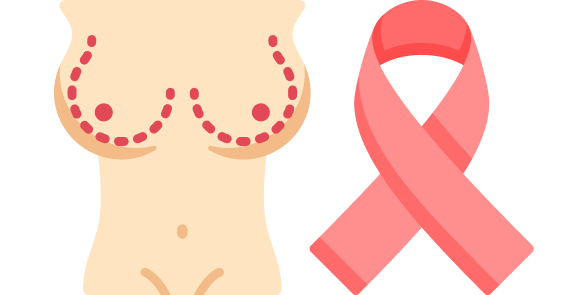
Breast cancer is a terrifying diagnosis. It is a disease that can strike any woman at any time, and it can have devastating consequences. Breast cancer is the second most common form of cancer in women, that's why breast cancer awareness is so important.
Breast cancer explained
It is important to understand what breast cancer is, the signs and symptoms to look out for, and what their risk factors are. Breast cancer occurs when the cells in the breast grow and divide uncontrollably. Over time, these abnormal cells can form a lump or a mass in the breast, which can be felt during a breast self-exam or seen on a mammogram.
Signs & symptoms of breast cancer
The signs and symptoms of breast cancer can vary, but some of the most common include a lump or mass in the breast, changes in the size or shape of the breast, nipple discharge or tenderness, and changes to the skin of the breast, such as redness or dimpling. It is important to note that not all lumps or changes in the breast are cancerous, but any changes should be reported to a medical professional for evaluation.
Your risk for breast cancer
There are several risk factors that can increase a woman's likelihood of developing breast cancer. These risk factors include age, family history, personal history of breast cancer, dense breast tissue, obesity, and exposure to certain hormone therapies. While some risk factors, such as age and family history, cannot be controlled, there are steps that women can take to reduce their risk of breast cancer. These can include maintaining a healthy weight, limiting alcohol consumption, and avoiding exposure to certain chemicals and toxins.
Screenings for breast cancer
Regular mammograms can help detect breast cancer in its early stages, when it is most treatable. The American Cancer Society recommends that women between the ages of 45 and 54 should have a mammogram every year, and women over the age of 55 can switch to having mammograms every other year, or continue with yearly screenings if they choose to do so.
Self-examining yourself for breast cancer
It is also important for women to perform regular breast self-exams, which can help detect changes in the breast that may need to be evaluated further.
Women should talk to their medical professional about the best approach to breast self-exams, as well as the frequency with which they should be performed.
Here's a general summary of how the steps for a self-examination might look like:
1. Choose a time when your breasts are not tender or swollen
It is recommended that you examine your breasts one week after the start of your period. During this time, your breasts are less likely to be tender, swollen or lumpy.
2. Take a good look at your breasts in the mirror
Stand in front of your mirror with your arms at your sides. Look at your breasts and check for any visible changes in shape or contour. Check if there are any visible dimpling, rashes, puckering, or bulging in the skin on your breast. Check for any nipple discharge and make sure that your nipples are not inverted or turned in.
3. Raise your arms and examine your breasts again
Raise your arms high above your head and examine your breasts again. Take a good look for any explicit differences or changes.
4. Check for lumps or thickening in the breast tissue
Lie down on your back, and use your fingers to examine your breast tissue. Use firm, smooth, and slow circular motions. Check for any lumps or thickening in the breast tissue.
5. Check your lymph nodes
Use your fingers to check for any lumps or tenderness in your underarm region. These could be a sign that the cancer cells have spread.
In case you find any abnormalities, it is recommended that you make an appointment with a medical professional for a physical examination or an ultrasound/mammogram.
By being aware of breast cancer, women can take charge of their breast health, and have a better understanding of what to expect when it comes to breast cancer screening, diagnosis, and treatment.
Remember, the earlier the diagnosis, the easier it is to treat breast cancer successfully.


Cycles and pregnancies under the microscope