

Entering the menopause
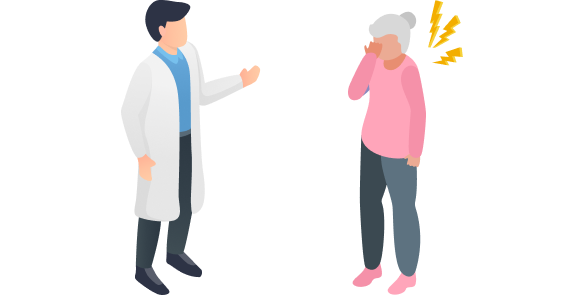
As women enter their late 40s or early 50s, they experience a gradual decline in the production of the hormone estrogen, which leads to a stage known as menopause. Menopause marks the end of a woman's reproductive life and comes with a variety of physical and emotional changes that can be both confusing and challenging.
Noticeable changes during the transition
One of the most noticeable changes during menopause is the cessation of periods. This occurs due to the diminishing number of ovarian follicles, which decreases the production of estrogen. Menopause is considered complete when a woman goes without menstruation for 12 consecutive months. Until that point, a woman may experience irregular periods, heavier or lighter bleeding, and other menstrual changes.
Although the end of periods may come as a relief to some women, the hormonal fluctuations that accompany menopause can cause a range of symptoms. Hot flashes and night sweats are well-known symptoms of menopause, affecting up to 80% of women. These sudden and intense heat sensations often bring sweating, flushing, and heart palpitations. They can be disruptive to sleep and daily activities.
Other common menopausal symptoms include vaginal dryness, decreased libido, and mood changes. Declining estrogen levels can cause the vaginal walls to thin, resulting in dryness, itching, and pain during sex. Women may also experience a reduced interest in sex altogether. Changes in estrogen levels can also affect brain function, leading to memory impairment and mood swings.
The long-term
Beyond these immediate symptoms, menopause can affect long-term health. Estrogen plays a significant role in maintaining bone health by regulating bone remodeling. Without adequate amounts of estrogen, women may experience an increased risk of osteoporosis, a condition in which bones become brittle and fragile, leading to an increased risk of bone fractures. The decreased levels of estrogen can also lead to an increased risk of heart disease.
What you can do
Hormone therapy, which involves taking estrogen and/or progesterone supplements, is a common treatment for the symptoms of menopause. This type of therapy replaces the hormones that the body is no longer producing, helping to alleviate symptoms such as hot flashes, vaginal dryness, and mood changes. Women who have had a hysterectomy can take estrogen-only hormone therapy, while those who still have a uterus need both estrogen and progesterone to prevent endometrial cancer.
Risks of hormone therapy
Hormone therapy has been proven safe and effective for many women, but it is not without its risks. Studies have shown that long-term use of hormone therapy can increase the risk of breast cancer, blood clots, and stroke. As a result, hormone therapy is typically recommended for the shortest duration and at the lowest effective dose.
Alternative therapy methods
Alternative therapies, such as herbal supplements, acupuncture, and yoga, have gained popularity as natural ways to manage menopausal symptoms. However, the effectiveness and safety of these therapies are not well-established, and women should approach them with caution. Their effect has not yet been proven in clinical trials to go beyond the placebo effect.
Menopause is a natural and inevitable part of a woman's life, but that doesn't mean that it has to be a miserable experience. Understanding the symptoms and risks of menopause is the first step in developing a plan to manage your health during this time in your life. From hormone therapy to natural remedies, there are plenty of ways to alleviate the symptoms of menopause and maintain optimal health in the years ahead.


Cycles and pregnancies under the microscope