
The impacts of stress & anxiety
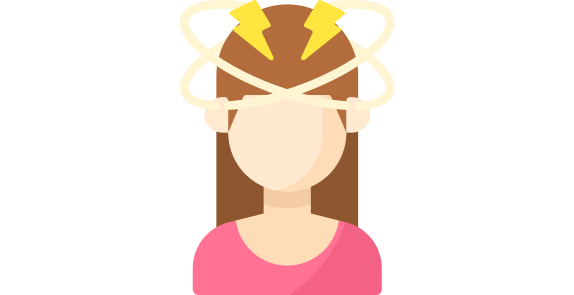
As our lives become more fast-paced and demanding, stress and anxiety have become all too common. The demands of work, relationships, and day-to-day obligations can often feel overwhelming, and it's not uncommon to feel like we simply can't keep up. Stress and anxiety are two of the most common mental health conditions, with millions of people worldwide dealing with their effects on a daily basis.
What is Stress?
Stress is a natural physiological response to a perceived threat or danger. When we're stressed, our bodies release hormones such as cortisol and adrenaline, which prepare us for a “fight or flight” scenario. In small doses, this stress response can be helpful – it can give us the energy and vigilance we need to tackle a challenging task, for example.
However, chronic stress (the kind that lasts for weeks or months on end) can have serious effects on our health. It can lead to physical symptoms such as headaches, stomach problems, and insomnia, and it can also contribute to mental health conditions such as anxiety and depression.
What is Anxiety?
Anxiety, on the other hand, is a mental health condition characterized by excessive worry or fear. People with anxiety may feel apprehensive, tense, or irritable much of the time, even in situations where there's no real danger present. Anxiety can be overwhelming, and people with severe anxiety may find it difficult to function in their daily lives.
There are different types of anxiety disorders, including generalized anxiety disorder, social anxiety disorder, and panic disorder. Each type of anxiety disorder has its own specific symptoms and treatment options.
How Can You Manage Stress and Anxiety?
There are a variety of strategies that can help us manage stress and anxiety. Some people find that physical exercise, such as running or swimming, can be a helpful way to reduce stress and anxiety levels. Others may benefit from relaxation techniques such as deep breathing or meditation.
Cognitive-behavioral therapy (CBT) is a type of talk therapy that can be effective for both stress and anxiety. It works by helping individuals identify negative thought patterns and develop strategies for changing them.
In some cases, people with anxiety or stress may benefit from medication. There are different types of medications that can be prescribed for anxiety and stress, such as antidepressants or benzodiazepines. However, medication should only be used under the guidance of a medical professional.
Preventing Stress and Anxiety
Preventing stress and anxiety is often easier said than done. However, there are some steps that can be taken to reduce the likelihood of experiencing these conditions.
One important step is to make time for self-care. This could mean getting enough sleep, eating a healthy diet, or engaging in activities that bring us joy. It's also important to be aware of our own limits – taking on too much can increase stress levels, so it's often necessary to say no to certain commitments.
Another helpful strategy is to seek support from friends and loved ones. Sharing our feelings with others can help lessen their impact, and being around people who care about us can be a powerful source of comfort.
Lastly, it's important to seek help if stress or anxiety become too much to handle on our own. Talking to a mental health professional can help us develop effective coping strategies and get the support we need. There are also numerous phone numbers you can each out to if you are feeling unwell.
Stress and anxiety are common conditions that can have serious effects on our health and well-being. However, by taking steps to manage stress levels, seek support from others, and prioritize our own self-care, we can reduce the likelihood of experiencing these conditions. If stress or anxiety become too much to handle, seeking help from a mental health professional can provide the resources and support needed to manage these conditions effectively.


Cycles and pregnancies under the microscope