

How to take an ovulation test
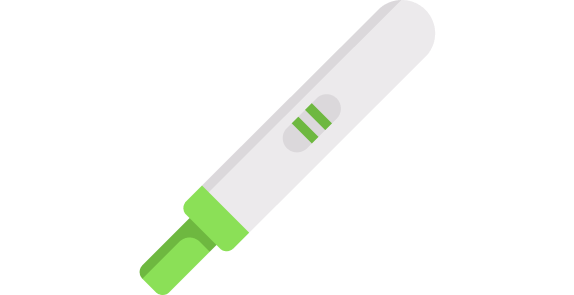
If you're trying to conceive, tracking your ovulation cycle is an essential step. There are several methods to determine when ovulation is occurring, but one of the most reliable ways is by using an ovulation test.
How does ovulation testing work?
An ovulation test measures the presence of luteinizing hormone (LH) in your urine, which surges 24-48 hours before ovulation. LH triggers the release of an egg from your ovary, making this the best time to have sex if you're trying to get pregnant. An ovulation test can help you identify this critical time in your cycle so you can make sure you are timing intercourse with your partner correctly.
Taking the test
Let's talk about the actual steps you need to complete for the test:
1. Choose the right time to take the test
Start testing your urine on the day that you expect your ovulation cycle to begin, which is typically 12-16 days before your next menstrual period. If you have an irregular cycle, it's best to start testing a few days earlier or use other methods to predict ovulation, such as natural family planning.
It's best to test your urine in the morning as LH levels can be highest in the morning.
2. Read the instructions carefully
Different ovulation test kits may have their unique steps or timing, so make sure to read the instructions before you start. Some kits require you to urinate directly on the test stick, while others require you to collect urine in a container before dipping the strip in it.
These instructions may vary from product to product, so make sure you use the one you understand the best.
3. Plan your testing schedule
Most ovulation test kits come with several test strips, usually 5-7 in a kit. You may need to test your urine multiple times a day leading up to ovulation. Check the instructions to determine when you start ovulation testing and how often you should test.
4. Use the ovulation test correctly
Most ovulation tests will show you two lines, but it's the second line that you want to focus on. If the second line is equal or darker than the control line, your LH levels are surging, and you are close to or currently ovulating.
It's important to note that the test line can sometimes appear faint. That can happen if the LH surge has not yet reached its peak, so the best thing is to keep on testing. If you are unsure, test again after a few hours.
5. Plan accordingly
Once you get a positive ovulation test result, you should anticipate ovulation and have intercourse with your partner as soon as possible and for the next few days to increase your chances of conception.
Remember, ovulation tests are not 100% accurate, but they are generally useful in predicting ovulation and timing intercourse. Remember, they should be used in conjunction with other family planning methods, such as the sympto-thermal method, and talking with your doctor about any fertility concerns.
Ovulation tests are available over-the-counter at most drug stores and are usually quite affordable. Good luck!


Cycles and pregnancies under the microscope