

Tampons, pads and menstrual cups
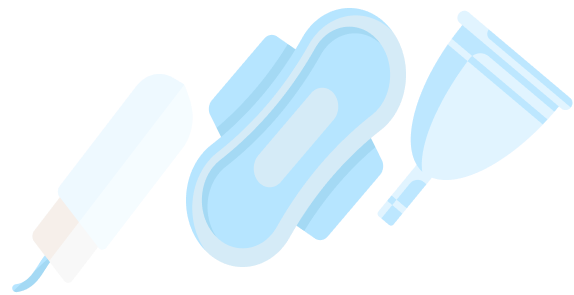
Menstrual hygiene is a critical aspect of your health, and it is essential to choose the right products to ensure comfort, ease of use, and optimal protection.
Tampons, pads, and menstrual cups are the three most popular menstrual products on the market. In this article, we will compare and contrast these products to help you make the best choice for your menstrual hygiene needs.
Tampons
Tampons are small cylinders that are inserted into the vaginal canal to absorb menstrual blood. They are typically made of cotton or rayon materials, which are effective in absorbing fluid.
Tampons vary in size and absorbency level, and they usually come with applicators or can be inserted using fingers. Tampons provide excellent protection and can be worn while swimming, exercising, or during other physical activities. However, tampons should be changed every 4-8 hours to avoid the risk of toxic shock syndrome, which can be fatal if left untreated.
Pads
Also known as sanitary napkins, pads are rectangular-shaped pads made of absorbent materials such as cotton, paper, or other fibers. They are worn outside the body and are attached to the underwear using adhesive that sticks to the bottom of the pad.
Pads come in various sizes and absorbency levels and are easily disposable. They provide excellent protection and are an excellent option for those who prefer not to insert anything into their body. However, they can be bulky, uncomfortable, and may affect mobility.
Menstrual cups
Small, bell-shaped cups made of silicone, rubber, or latex. They are designed to be inserted into the vagina and collect menstrual fluid. Menstrual cups can be used for up to twelve hours and need to be emptied and rinsed after use.
They are easily reusable and eco-friendly as they last for several years. Menstrual cups are durable, comfortable, and do not require frequent replacements, making them an excellent option for those looking for a sustainable and cost-effective menstrual product.
How do they compare?
When comparing tampons, pads, and menstrual cups, there are several factors to consider, such as comfort, convenience, protection, health risks, and environmental impact.
Tampons are convenient and easy to use, providing excellent protection during physical activities. However, they pose a potential risk of toxic shock syndrome and may not be suitable for those with sensitive skin.
Pads are comfortable, disposable, and available in various sizes and absorbency levels. However, they can be bulky, uncomfortable, and may affect mobility.
Menstrual cups are an excellent choice for those looking for a sustainable, eco-friendly, and cost-effective option. They are durable, comfortable, and do not pose any health risks when used correctly. However, some people may find them challenging to insert and remove, and they may not be suitable for those with low cervixes or heavy menstrual flows.
Choosing the right menstrual product is a personal decision that depends on individual preferences, comfort, convenience, protection, health risks, and environmental impact. Tampons, pads, and menstrual cups are all effective in managing menstrual hygiene and providing protection. However, it is crucial to understand the pros and cons of each product and choose the one that suits your needs the best.
Whether it is tampons, pads, or menstrual cups, all three products offer a comfortable and safe way to manage menstrual hygiene while maintaining an active lifestyle.


Cycles and pregnancies under the microscope